
Secure your dream
EU Official Post
Your EU competition success starts here.
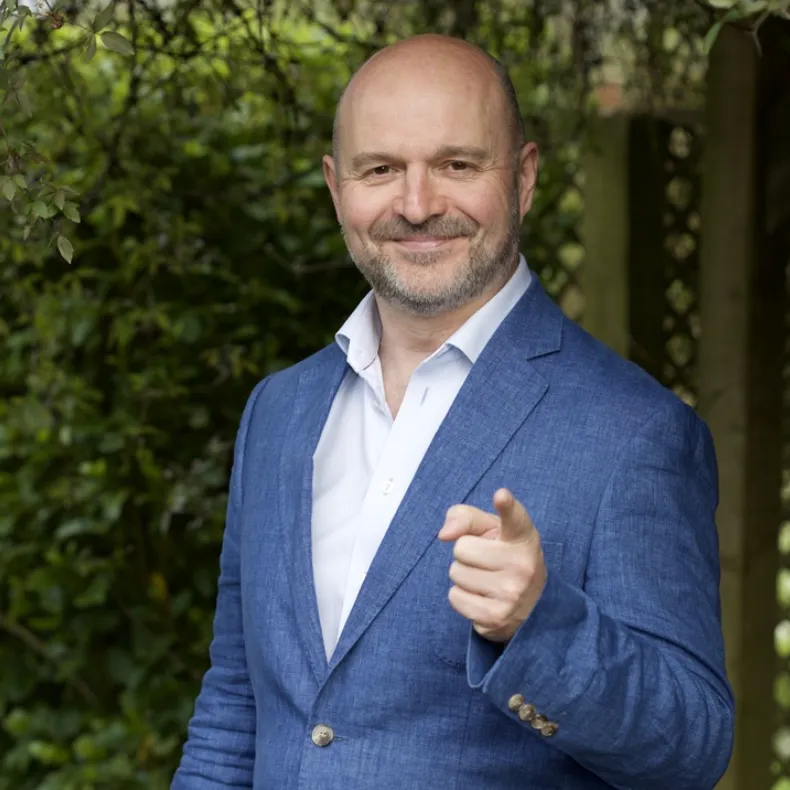
350+
Clients
81%
Exam pass rate (2025)
2012
Coaching since
Secure Your Dream
EU Official Post
Your competition success starts here.
350+
Clients
86%
Exam pass rate
2012
Coaching since
How can we help you level up your EU career?
If you wish to become a permanent fonctionnaire or civil servant in your institution.
We coach you for the EU internal competitions (aka concours) for contractual staff (CAs, TAs) in the:
European Commission
European Parliament
Other EU institutions
EU Delegations and Agencies
OR
If you are competing for a promotion with your colleagues.
We coach you on:
Written case studies
Presentations
Motivational questions in interviews
Competency-Based Interviews (CBI)
Situational Competency-Based Interviews (SCBI)
Dealing with exam nerves and psychological pressure
PRICING
Choose Your Plan
EU/Commission competition (concourse) coaching
$47/m
Offer item you get lorem ipsum
Offer item you get lorem ipsum
Offer item you get lorem ipsum
Offer item you get lorem ipsum

No contracts - cancel anytime
Leadership & communication skills coaching
$97/m
Offer item you get lorem ipsum
Offer item you get lorem ipsum
Offer item you get lorem ipsum
Offer item you get lorem ipsum
No contracts - cancel anytime
AGENCY PLAN
$147/m
Offer item you get lorem ipsum
Offer item you get lorem ipsum
Offer item you get lorem ipsum
Offer item you get lorem ipsum
No contracts - cancel anytime
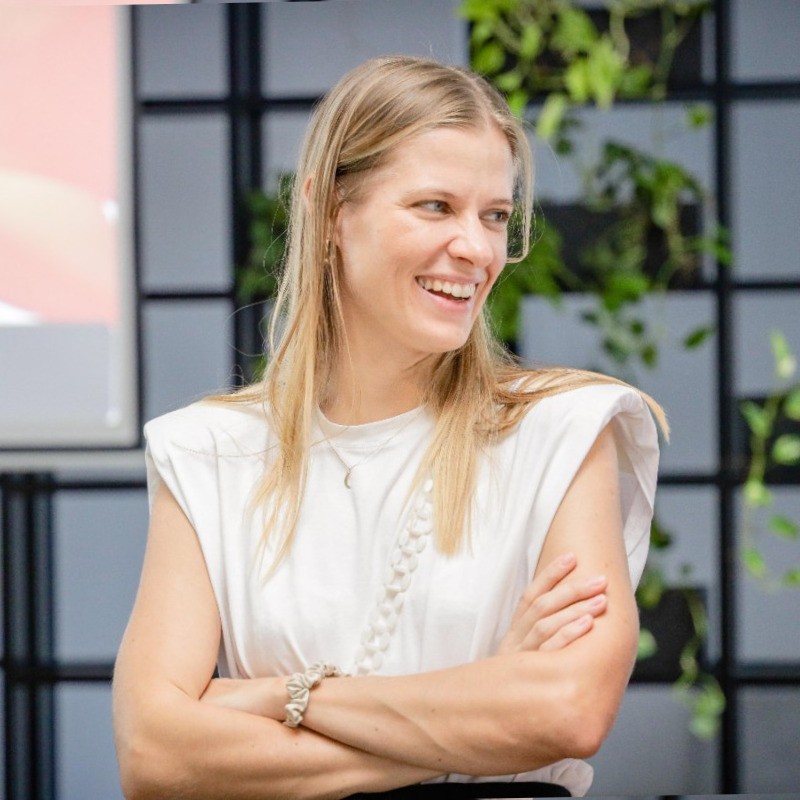
MEET THE FOUNDER & CEO
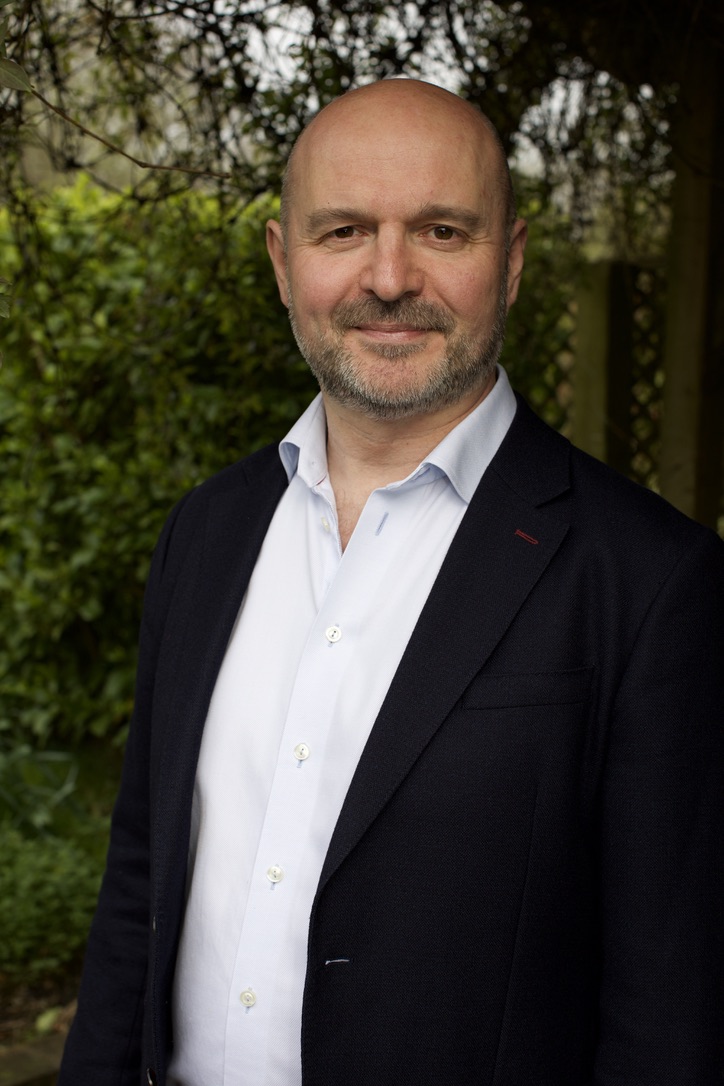
Meet Your Concours Coach: Neil Urquhart
The Concours Coach with over a decade of experience helping 350+ candidates achieve their dream positions in European institutions.
Author
"Day-to-Day Negotiations"
and
"The Art of Influence"
EuSA Trainer
Since 2008
"Writing With Impact"
“Storytelling in Presentations
"The Art of Influence"
"Creativity at Work"
Course Designer
How to Excel in your Written Test
How to Excel in your Interview
How to Excel in your Internal Competition Presentation
How to Conquer Your Nerves & Perform Well in Tests
Why Work With Me?
Expert Guidance Since 2008: As a trainer at the European School of Administration (EuSA), I have helped over 350 candidates develop the skills and confidence to succeed.
My Approach is Personalised:
Navigating the Process: From case studies to group exercises, I cover every stage of the internal competition.
Certification Expertise: Between 2014 and 2024, I designed the writing course on the Certification programme (annual programme to promote ASTs to AD grade), training and coaching the candidates to pass the writing, presenting, and negotiating tests.
Proven Results: My coaching aligns with the latest trends in the competition, resulting in an 81% success rate for the oral test.
Check out my socials:


Expert Prep for Your Next Grade
Tailored coaching designed to turn your EU career goals into reality.
Case Study Preparation
Master the analytical skills needed to excel in written tests.
Concours written case studies tests.
Comprehensive planning and editing methodology
Practice case studies
Personalised feedback
Presentation Preparation
Develop compelling presentations that engage the jury.
Structure and flow techniques
Content Tips
Delivery
Q&A preparation techniques
Interview Preparation
Build confidence and competence for your interviews. Stay calm.
Competency-based questions
Behavioural interviewing
Mock interviews
Feedback and improvement
Ready to Start Your Journey?
Book a free 30-minute consultation to discuss your goals and create a personalized coaching plan that fits your needs and timeline.
Success stories:
Hear from some of the candidates just like you who achieved their EU career goals with expert coaching.
When preparing for the Commission internal competition interview, Neil helped me to know how to start and where to focus with the time I had. It was a continuous exchange of practice and feedback, targeting the areas where I needed to work the most. Having Neil as a coach changed my approach to interviews. He showed many useful techniques that made it easier to structure the answers better, and I gained confidence in presenting in my personal way. All in all, I would recommend Neil to anyone who wants to get better in public speaking, presenting, or interviews. He is really there for you not only for the coaching sessions but much beyond - always just a message away!

I reached out to Neil when I wanted to pass an internal competition. Spoiler alert! - I passed :) But he did not only point me in the right direction, which spared me countless hours of unfocused and inefficient preparation, he also taught me how to speak and write with impact and how to manage my mindset in order to succeed. We worked together for almost 9 months and I have to say, without exaggerating, that it was the best investment in myself and my career that I have made so far.

Neil supported me throughout my preparation for an internal concours. His feedback was thorough, insightful, and genuinely pivotal to my success. Thanks to his extensive experience, he helped me focus on what truly mattered, allowing me to dedicate my energy to preparation that actually made a difference. I recommend him to anyone preparing for a similar process.
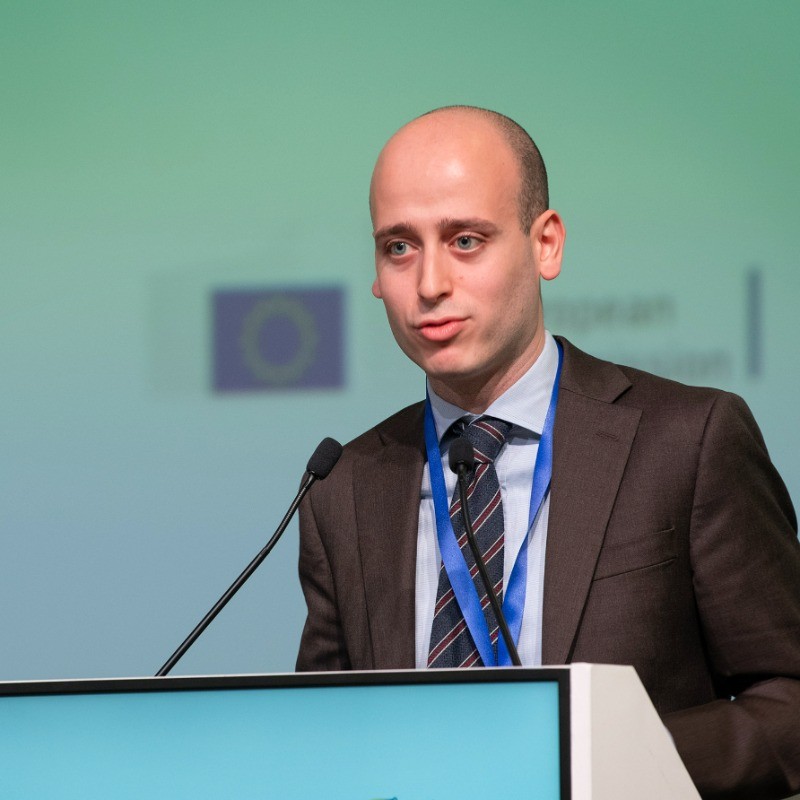
I attended Neil's two intensive one-day workshops (in small groups) - one on presentation skills and one on motivation and competency-based questions. Both sessions were extremely useful, practical, and hands-on, providing techniques and personalised feedback that helped me in succeeding an internal EPSO concours. He has a talent for helping candidates stand out, focusing on clear structure, confident delivery, and the small but powerful adjustments that make a real difference. He also shared a lot of resources, including materials on stress management and practical tips for preparation and performance. I'm convinced that his coaching played a key role in my success. I fully recommend him to anyone!

Neil is an amazing coach when going through the EU internal competitions - guiding and motivating you both during the written and oral tests. He challenged me on where I could do better and improved my thinking along the lines of the competition framework. He built my confidence and helped solidfy what was going well already. Not to mention the helpful tips & tricks - sometimes very much "out of the box". Defintely to be recommended!
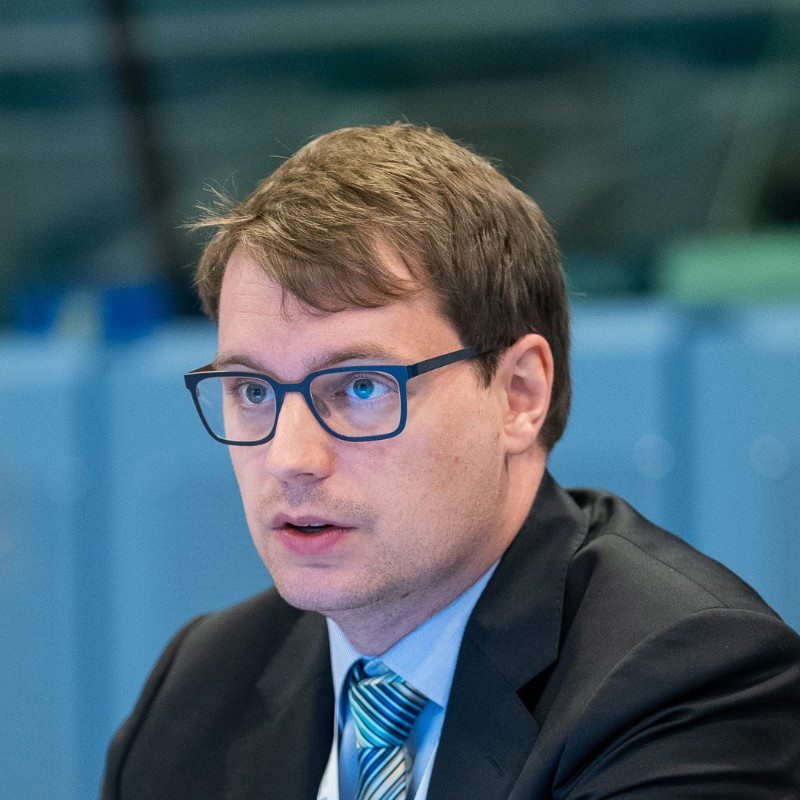
Neil is the kind of coach you wish to have when you are going through a tough recruitment procedure. His support goes far beyond the coaching sessions themselves—he is there every step of the way, guiding and motivating you throughout the entire preparation process, whether for job interviews or challenging internal competitions. Working with Neil feels like having a personal trainer for your mind: he sharpens your skills, builds your confidence, and helps you perform at your very best. 100% recommend him!!!

Neil played an instrumental role in helping me pass an EU competition, providing invaluable guidance and support throughout the entire process. From the very first session, Neil's coaching was a perfect fit for my needs, as he took the time to get to know me, explain the process and practicalities, and provided a wealth of resources and documents in a structured manner to support my individual preparation. What sets Neil apart as a coach is his ability to help individuals bring out their own personality and story, rather than trying to 'mould' them to fit a specific style. I could share my concerns or doubts and find solutions that fit me best personally. This unique approach not only helped me excel in the competition but also sparked my interest in exploring further the power of storytelling for my future career. Neil was available to answer questions and provide feedback, supporting me not only during coaching sessions but also quickly replying outside of them. He offered practical tips (from time management, to desk setup or breathing exercises) to help me stay calm and focused. I would recommend Neil to anyone seeking to make progress in their career, as his coaching style is personalised, supportive, and genuinely invested in the success of his clients, making him an exceptional mentor and trainer.

Neil helped me getting prepared for a European Parliament's internal competition. His training sessions focussed on strengthening my skills for the oral part of the exam. He was extremely supportive and personally involved, always to the point, providing constructive feedbacks. The fact that I successfully passed the competition is a good example that his advice worked well! I would definitely recommend Neil because he is experienced, adapts his training to your needs and is a very very pleasant person.
Neil is not a regular coach. Do you need somebody to get you out of your comfort zone in order for you to finally reach your true potential? When I started my coaching sessions with Neil, I had one objective: to pass the competition, which became much more than this. After 6 months of coaching, I am better at managing people, the tight deadlines and the most ridiculous amounts of work. I am also a better analyst, communicator and prioritise better (aka saying no and putting myself first) Neil is like this life manual that you never knew you needed. He did not only trained me on methods to study better, work more effectively, read faster, negotiate without losing my cool but also integrated the physical aspect of what human bodies are able to do if we only we do breathing for one minute. I worked in Brussels for 5 years and never was I even close to working with a coach like Neil. I fully recommend, if you are ready to boost your leadership and communication skills...and many more!
PRICING
Case Studies
Basic Case Study
$47/m
Offer item you get lorem ipsum
Offer item you get lorem ipsum
Offer item you get lorem ipsum
Offer item you get lorem ipsum
No contracts - cancel anytime
PRO Case study
$97/m
Offer item you get lorem ipsum
Offer item you get lorem ipsum
Offer item you get lorem ipsum
Offer item you get lorem ipsum
No contracts - cancel anytime
Ultimate Case study
$147/m
Offer item you get lorem ipsum
Offer item you get lorem ipsum
Offer item you get lorem ipsum
Offer item you get lorem ipsum
No contracts - cancel anytime
Concours Case studies
Case studies
Case Studies
The #1 lorem ipsum dolor sit amet.

100% risk free - 30 day money back guarantee

Here's what you get:
Amazing thing you get lorem ipsum
Great bonus you get lorem ipsum
Amazing thing you get lorem ipsum
Great bonus you get lorem ipsum
Total value: $297
Today Just $97

"Best purchase ever!"
"Testimonial lorem ipsum dolor sit amet, consectetur adipisicing elit." - Name
Why Smart Contractual Staff Fail Internal EU Competitions (and What Actually Works Instead)
Why does “doing everything right” still lead to failure?
One of the most frustrating aspects of internal competitions is that candidates often do exactly what they’re told-and still don’t succeed.
They:
· Follow internal advice
· Collect “model answers”
· Rehearse endlessly
· Polish their language until it sounds institutional
And in the process, something essential disappears.
What juries encounter isn’t a real colleague under pressure-it’s a performance that feels safe, rehearsed, and strangely hollow.
This is where many strong candidates lose trust without realising it.
How does over-rehearsing quietly destroy credibility?
Over-rehearsing is rarely malicious. It usually comes from:
· Well-meaning colleagues who passed their competition years ago
· Managers who reward compliance over clarity
· Training courses that confuse structure with substance
The result is predictable:
· Lived experience gets replaced by second-hand language
· Real judgment gets buried under frameworks
· Candidates stop sounding like themselves
Nothing is wrong with the answers - but nothing feels grounded either.
Juries don’t fail candidates because of small mistakes. They fail them because they don’t feel anchored in reality. And over-rehearsing is one of the fastest ways to create that disconnect.
What are juries actually testing in internal competitions?
This is one of the biggest misunderstandings I see.
Juries are not primarily asking:
· Can you produce the most impressive answer?
· Can you eliminate all uncertainty?
· Can you sound flawless for 30 minutes?
They are asking:
· Can you think clearly under pressure?
· Can you acknowledge limits without panicking?
· Can I trust you as a future colleague?
Internal competitions are not academic exams. They are simulations of real professional stress.
When candidates try to eliminate uncertainty instead of managing it, they often unravel-not because they don’t know enough, but because they no longer believe what they’re saying.
Why do smart candidates struggle most under pressure?
Ironically, the stronger your professional identity, the harder this process can be.
Smart candidates:
· Feel they should perform perfectly
· Fear exposing doubt or emotion
· Over-structure to protect themselves
But credibility doesn’t come from perfection.
It comes from coherence-between experience, language, and behaviour.
When those elements don’t align, juries feel it immediately.
What actually works: why vulnerability and authenticity create trust
This is the core of my work, and the point where many candidates initially feel uncomfortable.
Vulnerability + Authenticity = Trust
Not vulnerability as oversharing-but as professional honesty.
Vulnerability means:
· Admitting mistakes
· Talking about difficult moments
· Naming uncertainty without collapsing
It demonstrates resilience, not weakness.
Authenticity means:
· Speaking from real experience
· Using your own language, not borrowed phrases
· Allowing tone of voice, facial expression, and gestures to match what you’re saying
Together, these elements create trust-the one thing juries must feel before they can score a candidate highly and imagine working with them.
Candidates who perform well:
· Don’t pretend to have perfect answers
· Don’t overclaim or over-structure
· Stay anchored in real, sometimes difficult experiences
This is especially visible in oral tests, where credibility is built moment by moment through interaction, not content alone.
What do near-miss failures reveal about performance?
Near-misses are some of the most instructive moments in internal competitions.
In 2025, 21 of my 26 coached clients passed the oral test.
Of the five who didn’t, four missed the cut by just one point.
Those outcomes are not random.
In almost every near-miss case, the issue wasn’t knowledge or preparation. It was hesitation, over-control, or a sudden retreat into “safe” answers under pressure.
The difference between passing and failing is often not ability-it’s trust.
How should preparation change if trust is the real goal?
Preparation should not be about memorising better answers.
It should be about becoming more recognisable under pressure.
That means:
· Practising how you think, not just what you say
· Learning to stay present when challenged
· Allowing imperfection without losing structure
When candidates prepare this way, something shifts:
They stop performing at juries-and start engaging with them.
That’s when credibility emerges.
Why does this approach work better for internal candidates?
Internal candidates already have:
· Institutional experience
· Operational judgment
· Real examples that matter
The problem isn’t absence-it’s suppression.
When candidates stop trying to sound like the “ideal” version of an EU official and start sounding like the professional they already are, juries can finally see them clearly.
FAQ: Internal EU Competitions, Performance, and Trust
Is vulnerability really safe in an oral test?
Yes - when it’s professional. Vulnerability is not emotional dumping. It’s the ability to acknowledge difficulty, limits, or mistakes calmly and coherently. Juries trust candidates who can do this without losing structure.
Won’t authenticity make my answers less “institutional”?
Authenticity doesn’t mean ignoring institutional language-it means using it accurately. Borrowed phrases without lived experience are far more damaging than clear, personal explanations grounded in real work.
What if juries expect a specific structure?
Structure matters-but it should support thinking, not replace it. Over-structuring often signals insecurity. Simple, flexible structures allow juries to follow your reasoning without feeling managed.
How early should preparation start?
Earlier than most people think - but not in the way they expect. Preparation should focus on mindset and performance habits first, not content accumulation.
Is this approach suitable for written tests too?
Yes, though it shows up differently. Written tests still reward clarity, coherence, and grounded judgment. Over-polishing and borrowed language are just as visible on paper.
Get In Touch With Me!
Join 350+ successful candidates. No obligation, just expert advice.
✉️ Drop me a line!
Free Consultation
Book a 30-minute call to discuss your competition goals and get personalised advice.
Contact Information
+44 7979 246660
2 Martin House
179/181 North End Road
London, W14 9NL
Office Hours (UK)
Monday - Friday
09:00 - 17:00
Saturday - Sunday
Closed
ConcoursCoach.com
Expert coaching for EU Concours success. Transform your career with personalised, professional guidance from a certified trainer with 15+ years of experience.
Quick Links
Services
Case Study Preparation
Interview Coaching
Presentation Skills
Group Exercise Training
Assessment Centre Prep
Copyright © 2026 ConcoursCoach.com - All Rights Reserved.